
How Digital Marketing Helps Small Businesses Grow Online
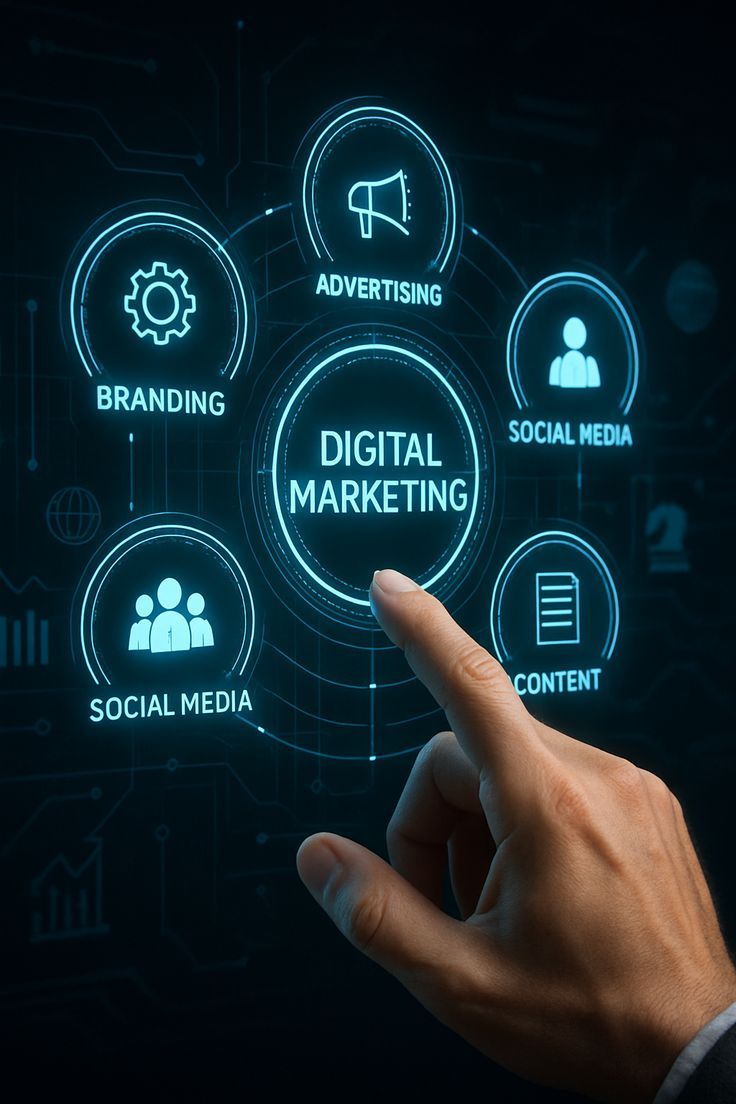
In today’s fast-paced digital world, small businesses face intense competition. Customers are spending more time online—searching for products, comparing brands, and making purchasing decisions through digital platforms. For small businesses, digital marketing has become one of the most effective and affordable ways to grow online, reach the right audience, and compete with larger brands.
Unlike traditional marketing, digital marketing allows small businesses to promote their products and services strategically, track performance, and achieve measurable results. This blog explores how digital marketing helps small businesses grow online and build a strong digital presence.
1. Increases Online Visibility
One of the biggest challenges small businesses face is visibility. Digital marketing helps businesses appear where customers are actively searching—on Google, social media platforms, and websites.
Through Search Engine Optimization (SEO), small businesses can rank higher in search engine results for relevant keywords. When customers search for products or services online, businesses that appear on the first page gain more traffic, credibility, and trust.
Social media marketing further boosts visibility by allowing businesses to connect with users on platforms like Instagram, Facebook, LinkedIn, and Twitter. Consistent posting, engaging content, and targeted ads help small businesses stay visible and relevant.
2. Cost-Effective Marketing Solution
Traditional advertising methods such as TV, radio, and print ads often require high budgets, making them unsuitable for small businesses. Digital marketing offers budget-friendly alternatives that deliver better returns.
Small businesses can:
- Run Google Ads with a controlled budget
- Promote posts on social media at low costs
- Use email marketing with minimal investment
- Create organic content without paid promotion
With digital marketing, businesses can start small, test campaigns, and scale up based on performance, making it a highly cost-effective growth strategy.
3. Targets the Right Audience
Reaching the right audience is essential for business growth. Digital marketing allows small businesses to target specific audiences based on location, age, gender, interests, behavior, and search intent.
For example:
- Local businesses can target customers within a specific city or area
- E-commerce businesses can target users interested in specific products
- Service providers can target people actively searching for their services
This precise targeting ensures that marketing efforts are not wasted and reach users who are more likely to convert into customers.
4. Builds Brand Awareness and Trust
Digital marketing helps small businesses build a strong brand identity online. Consistent branding, valuable content, and active engagement create trust among potential customers.
Blog posts, videos, social media updates, and customer reviews help businesses showcase their expertise and credibility. When customers see helpful and informative content, they are more likely to trust the brand and choose its products or services.
Online reviews, testimonials, and ratings also play a crucial role in building trust. Positive reviews improve brand reputation and influence buying decisions.
5. Improves Customer Engagement
Unlike traditional marketing, digital marketing encourages two-way communication. Customers can like, comment, share, and message businesses directly through social media and websites.
This interaction helps small businesses:
Understand customer needs
Answer queries quickly
Build long-term relationships
Improve customer satisfaction
Engaged customers are more likely to become loyal customers and recommend the business to others.
6. Generates Quality Leads and Sales
Digital marketing focuses on attracting users who are genuinely interested in a business’s offerings. Techniques such as SEO, PPC advertising, landing pages, and email marketing help generate high-quality leads.
For example:
- SEO attracts users searching for specific solutions
- Google Ads target customers ready to buy
- Email marketing nurtures leads and encourages repeat purchases
By guiding users through the customer journey, digital marketing increases conversion rates and sales.
7. Provides Measurable Results and Insights
One of the biggest advantages of digital marketing is the ability to track and analyze performance. Tools like Google Analytics, Search Console, and social media insights provide valuable data.
Small businesses can measure:
Website traffic
Conversion rates
Ad performance
Customer behavior
ROI (Return on Investment)
These insights help businesses understand what works and what doesn’t, allowing them to improve strategies and achieve better results over time.
8. Helps Compete with Larger Businesses
Digital marketing creates a level playing field where small businesses can compete with larger brands. With the right SEO strategy, quality content, and smart advertising, small businesses can rank alongside established companies.
Creative content, personalized communication, and local targeting give small businesses a competitive edge. Digital platforms reward relevance and value, not just budget size.
9. Supports Local Business Growth
For local businesses, digital marketing is especially powerful. Local SEO, Google My Business optimization, and location-based ads help businesses attract nearby customers.
When customers search for services “near me,” businesses with optimized online profiles are more likely to appear. This drives foot traffic, phone calls, and inquiries from local customers.
10. Enables Long-Term Business Growth
Digital marketing is not just about short-term sales; it supports long-term growth. Consistent blogging, SEO, email lists, and social media presence create sustainable traffic and customer relationships.
As the business grows, digital marketing strategies can be expanded and refined. This scalability makes digital marketing an essential tool for long-term success.
Conclusion
Digital marketing plays a vital role in helping small businesses grow online. It increases visibility, targets the right audience, builds trust, improves engagement, and delivers measurable results—all at an affordable cost.
In today’s digital-first environment, small businesses that invest in digital marketing gain a competitive advantage and open new opportunities for growth. By using the right strategies and tools, small businesses can build a strong online presence, attract customers, and achieve sustainable success.
Call to Action:
Looking to grow your small business online? Get in touch today to explore effective digital marketing strategies tailored to your business.